
Skardu
Skardu – The Land of Giants and Hidden Wonders
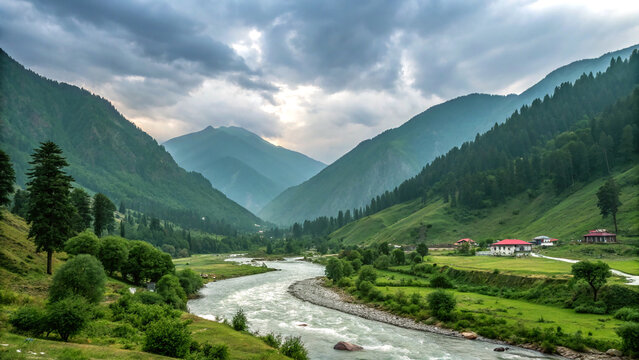
Nestled in the heart of Gilgit-Baltistan, Skardu is where adventure meets serenity, and mountains touch the sky. Surrounded by some of the world’s tallest peaks including K2, the second-highest mountain on Earth, Skardu is the crown jewel for travelers seeking grandeur, tranquility, and raw Himalayan beauty.
This valley is a blend of turquoise lakes, ancient forts, alpine deserts, and lush meadows — making it a must-visit destination for nature lovers, cultural explorers, photographers, and thrill-seekers alike.
🌄 Top Attractions in and around Skardu:
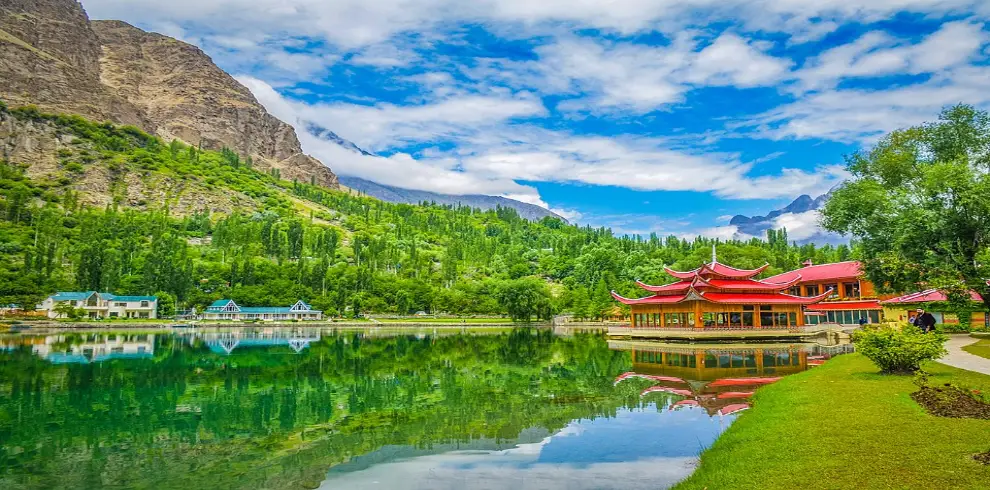
Upper & Lower Kachura Lakes – Crystal-clear waters perfect for reflection and boating
Shangrila Resort (Lower Kachura) – A fairy-tale lodge built around a heart-shaped lake
Shigar Fort – A 400-year-old heritage fort turned boutique hotel
Sarfaranga Cold Desert – The highest cold desert in the world, perfect for jeep rallies
Manthokha Waterfall – A powerful waterfall nestled in the green valleys of Kharmang
Deosai National Park – The ‘Land of Giants’ with rolling plains, wildflowers, and wildlife
Sadpara Lake – A serene alpine lake surrounded by towering peaks
🏞️ Why Visit Skardu?
Gateway to K2 Base Camp, Deosai Plains, and Baltoro Glacier
Offers a perfect blend of nature, culture, and adventure
Breathtaking scenery for photography, vlogging, and soul-refreshing experiences
Authentic Balti culture and cuisine
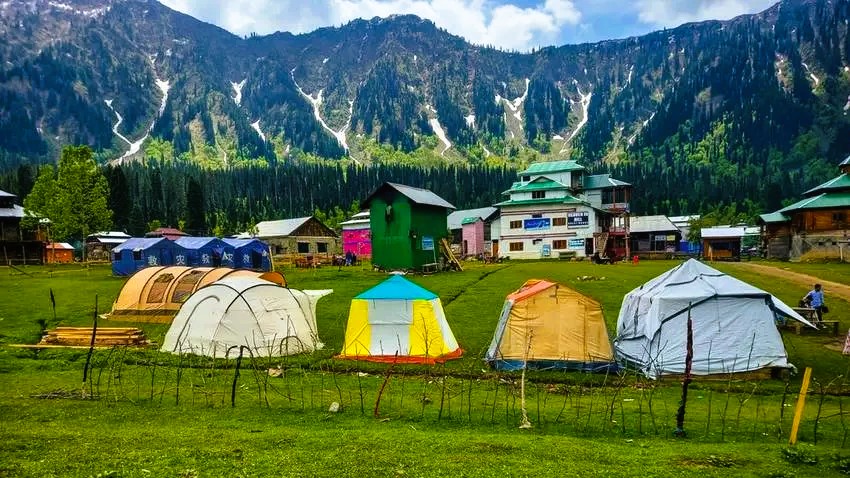
Ideal for camping, stargazing, jeep safaris, and historical exploration
📌 Quick Tips:
Best time to visit: May to October
Reachable by road (via KKH) or by flight (Islamabad to Skardu)
Weather can change quickly – keep warm clothing even in summer
Locals are extremely hospitable – respect their traditions and environment
Skardu is not just a destination – it’s a feeling. A place where mountains narrate ancient stories, and every trail leads to wonder. Let GoRaahi take you there.
Adventure
Lets go for adventure
- Jan
- Feb
- Mar
- Apr
- May
- Jun
- Jul
- Aug
- Sep
- Oct
- Nov
- Dec
Camping
- Jan
- Feb
- Mar
- Apr
- May
- Jun
- Jul
- Aug
- Sep
- Oct
- Nov
- Dec
Hiking
Hiking is the preferred term, in Canada and the United States, for a long, vigorous walk, usually on trails (footpaths), in the countryside, while the word walking is used for shorter, particularly urban walks. On the other hand, in the United Kingdom, and the Republic of Ireland, the word “walking” is acceptable to describe all forms of walking, whether it is a walk in the park or backpacking in the Alps.
The word hiking is also often used in the UK, along with rambling (a slightly old-fashioned term), hillwalking, and fell walking (a term mostly used for hillwalking in northern England). The term bushwalking is endemic to Australia, having been adopted by the Sydney Bush Walkers club in 1927. In New Zealand a long, vigorous walk or hike is called tramping. It is a popular activity with numerous hiking organizations worldwide, and studies suggest that all forms of walking have health benefits.
- Jan
- Feb
- Mar
- Apr
- May
- Jun
- Jul
- Aug
- Sep
- Oct
- Nov
- Dec
Jeep Adventure
- Jan
- Feb
- Mar
- Apr
- May
- Jun
- Jul
- Aug
- Sep
- Oct
- Nov
- Dec
Jungle Safari
A safari is an overland journey, usually a trip by tourists in Africa. In the past, the trip was often a big-game hunt, but today, safaris are often to observe and photograph wildlife—or hiking and sightseeing, as well.
In 1836 William Cornwallis Harris led an expedition purely to observe and record wildlife and landscapes by the expedition’s members. Harris established the safari style of journey, starting with a not too strenuous rising at first light, an energetic day walking, an afternoon rest then concluding with a formal dinner and telling stories in the evening over drinks and tobacco. The hunting aspect traditionally associated with the safari is said to have its origins in the early 1800s in the region of Évora, Alentejo, where villagers got together to hunt wild boar and reclaim land for farming.
- Jan
- Feb
- Mar
- Apr
- May
- Jun
- Jul
- Aug
- Sep
- Oct
- Nov
- Dec
Peak Climbing
Mountaineering is the sport of mountain climbing. While some scholars identify mountaineering-related activities as climbing (rock and ice) and trekking up mountains, others are also adding backpacking, hiking, skiing, via ferrata and wilderness activities, and still others state that mountaineering activities also include indoor climbing, sport climbing and bouldering.However, to most of the scholars, the term mountaineering is understood as climbing (which now refers to adventure climbing or sports climbing) and trekking (hill walking in ‘exotic’ places).Hiking in the mountains can also be a simple form of mountaineering when it involves scrambling, or short stretches of the more basic grades of rock climbing, as well as crossing glaciers.
While mountaineering began as attempts to reach the highest point of unclimbed big mountains, the sport has branched into specializations that address different aspects of the mountain and consists of three areas: rock-craft, snow-craft, and skiing, depending on whether the route chosen is over rock, snow or ice. All require experience, athletic ability, and technical knowledge to maintain safety.
- Jan
- Feb
- Mar
- Apr
- May
- Jun
- Jul
- Aug
- Sep
- Oct
- Nov
- Dec
Photography
- Jan
- Feb
- Mar
- Apr
- May
- Jun
- Jul
- Aug
- Sep
- Oct
- Nov
- Dec
Sightseeing
Tourism is travel for pleasure or business; also the theory and practice of touring, the business of attracting, accommodating, and entertaining tourists, and the business of operating tours. Tourism may be international, or within the traveller’s country. The World Tourism Organization defines tourism more generally, in terms which go “beyond the common perception of tourism as being limited to holiday activity only”, as people “traveling to and staying in places outside their usual environment for not more than one consecutive year for leisure, business and other purposes”.
- Jan
- Feb
- Mar
- Apr
- May
- Jun
- Jul
- Aug
- Sep
- Oct
- Nov
- Dec
Snow Sports
- Jan
- Feb
- Mar
- Apr
- May
- Jun
- Jul
- Aug
- Sep
- Oct
- Nov
- Dec
Souvenir & Cultural Items Shopping
- Jan
- Feb
- Mar
- Apr
- May
- Jun
- Jul
- Aug
- Sep
- Oct
- Nov
- Dec
Travel
Dedicated road bicycles have drop handlebars and multiple gears, although there are single and fixed gear varieties. Road bikes also use narrow, high-pressure tires to decrease rolling resistance, and tend to be somewhat lighter than other types of bicycle. The drop handlebars are often positioned lower than the saddle in order to put the rider in a more aerodynamic position. In an effort to become more aerodynamic, some riders have begun using aerobars.
And when aerobars where invented is unclear but they seem to date back to the early 1980s. The light weight and aerodynamics of a road bike allows this type of bicycle to be the second most efficient self-powered means of transportation, behind only recumbent bicycles due to the latter’s higher aerodynamic efficiency.
Mountain bikes fitted with slick or semi-slick are also popular for commuters. Though less efficient, the upright riding position allows the cyclist a better view of traffic, and they can also be readily fitted with mudguards, cargo racks and other accessories. Mountain bikes are usually ridden on unpaved roads and tracks but they are not to be confused with cyclocross bikes.
- Jan
- Feb
- Mar
- Apr
- May
- Jun
- Jul
- Aug
- Sep
- Oct
- Nov
- Dec